615 Atlantic Ave.
Virginia Beach, VA 23451
757-437-8030
https://mahisvb.com/
Seafood | $$$
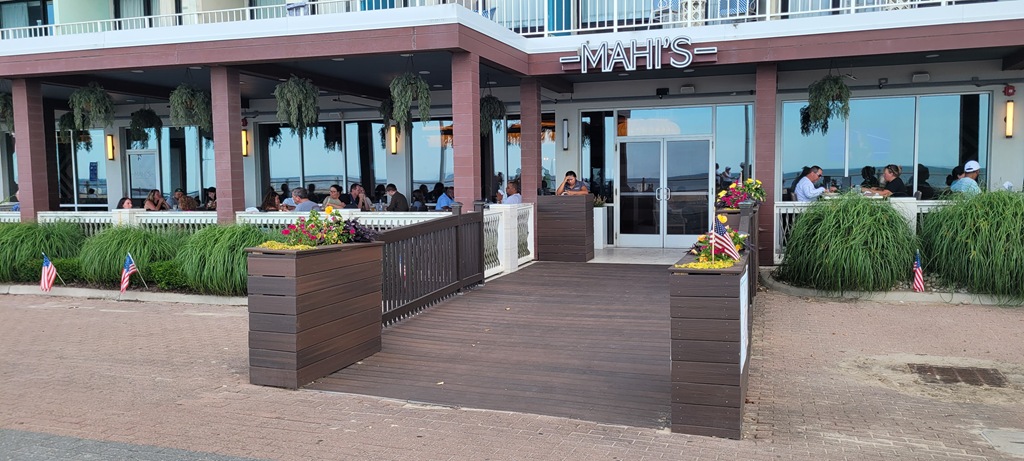
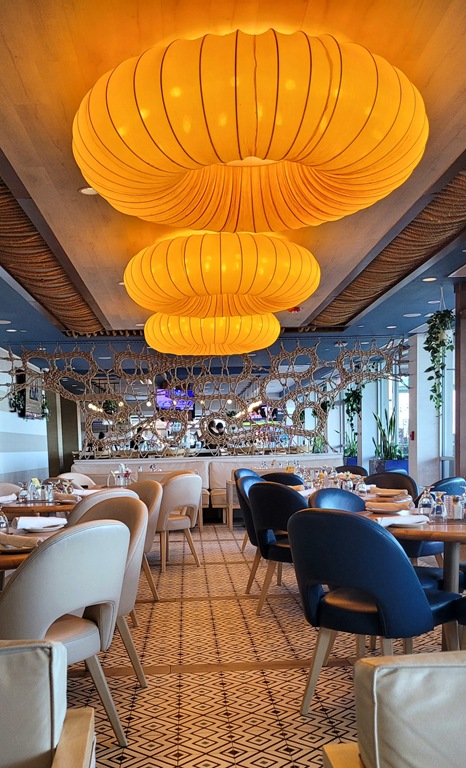
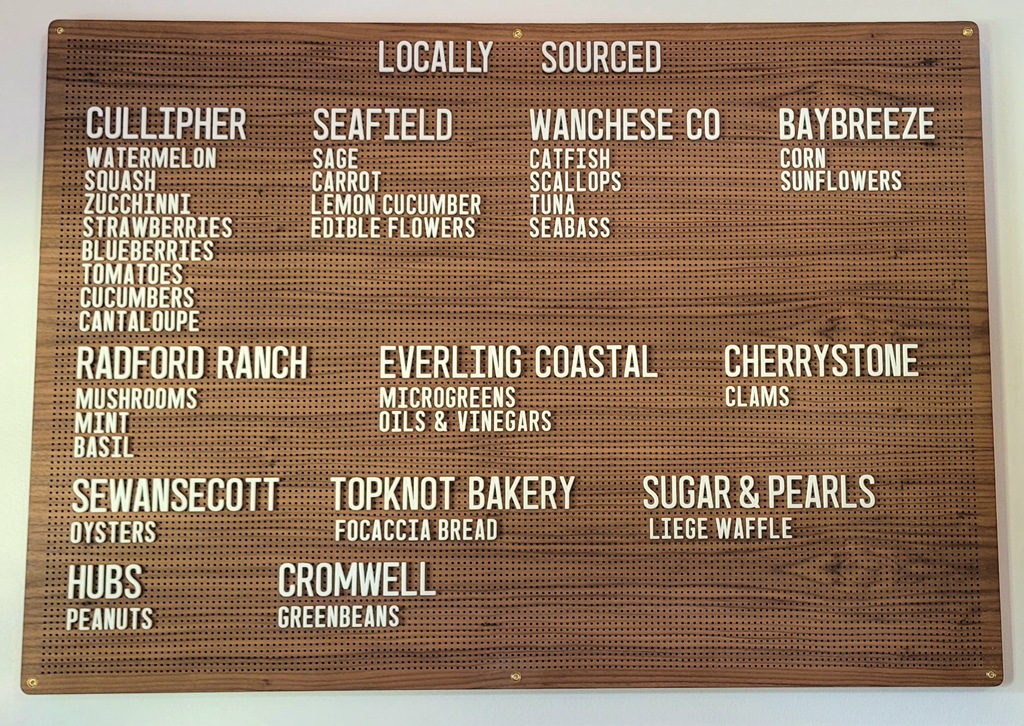
At the south end of the oceanfront and right on the boardwalk is Mahi’s. On our annual 4th of July trip this year we decided to give Mahi’s a try. We had eaten there years ago when it was Mahi Mah’s and had a bad experience. The name change confirmed what I had suspected. The restaurant had a new chef who had revamped the menu.
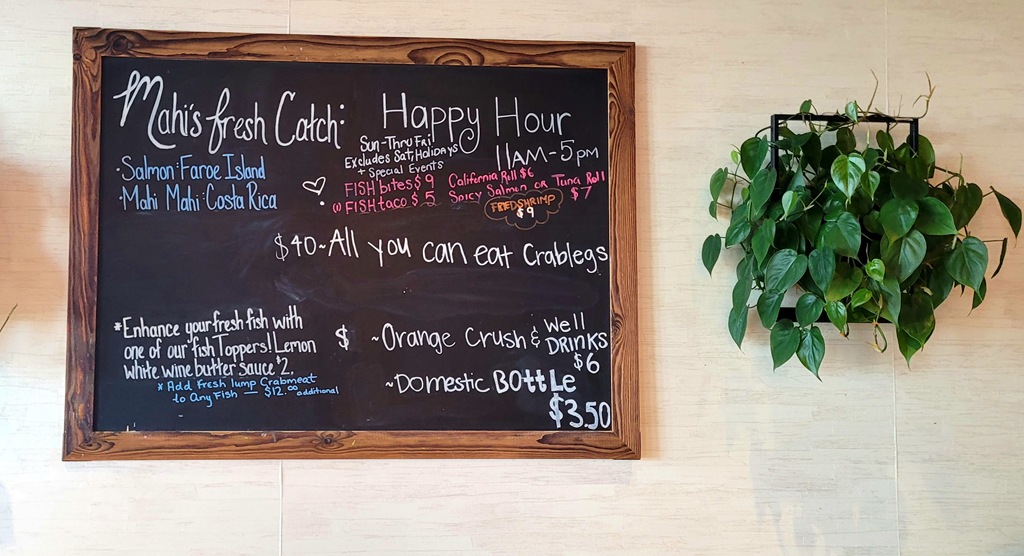
They run specials often, especially during the winter season.
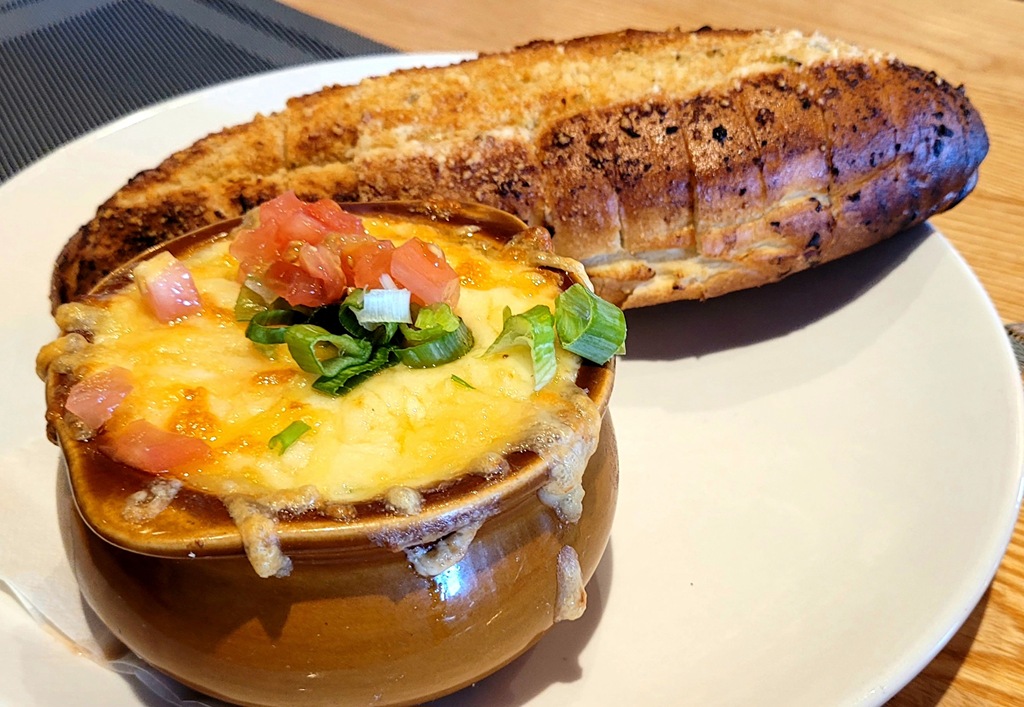
My wife started with a wonderful crab dip.
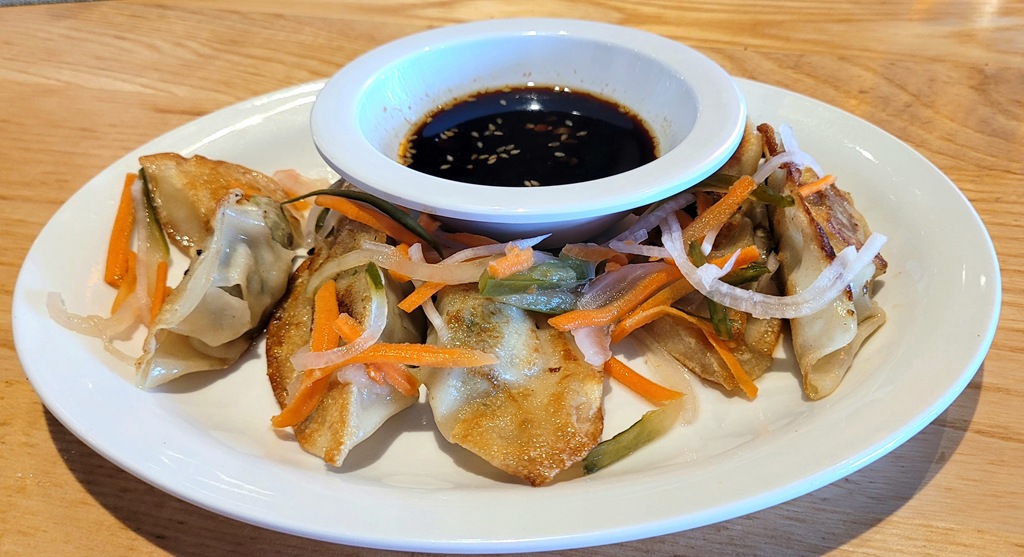
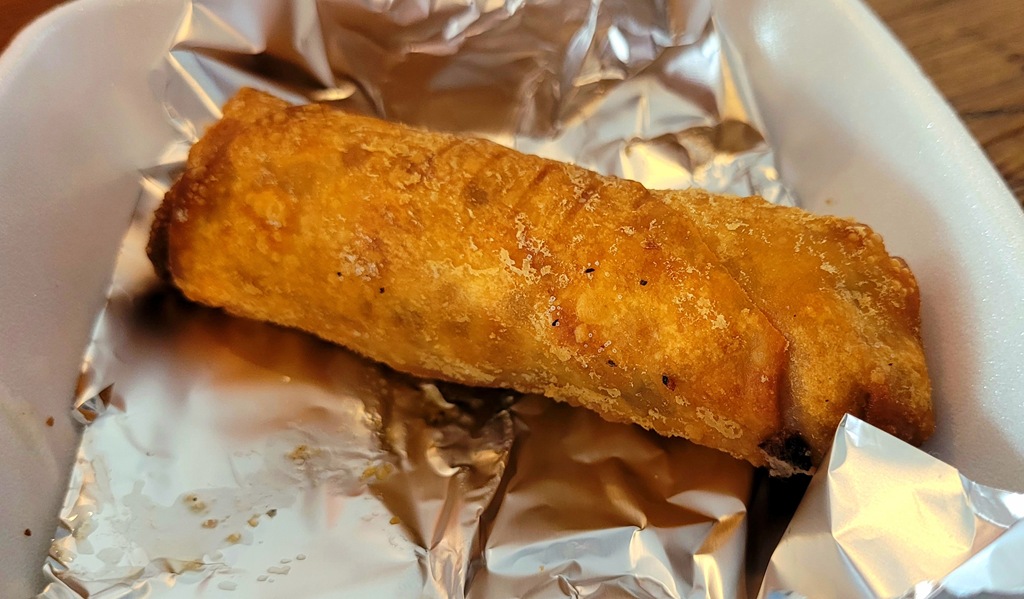
I wanted to try these pan fried Asian pork dumplings. They were paired nicely with the pickled vegetables and traditional soy sauce. They had a very nice crunch to them.
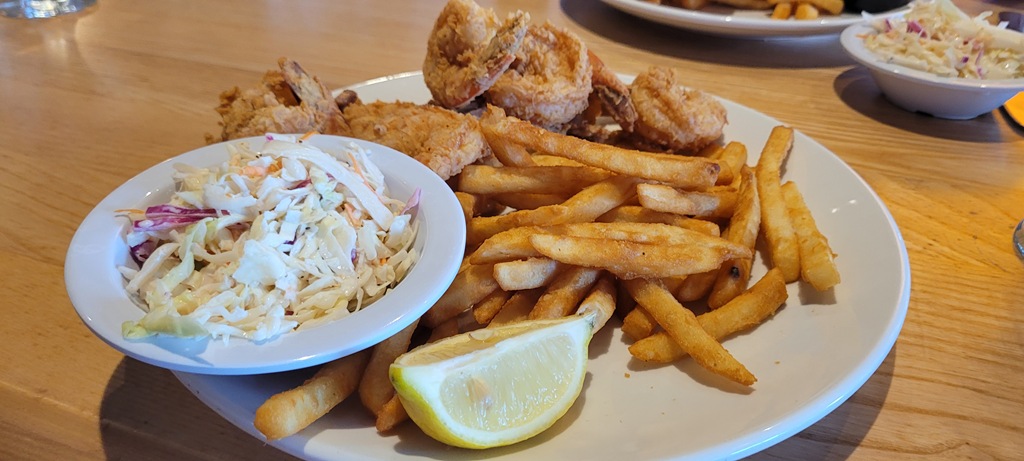
One member of our party decided on the Fried Shrimp with the slaw, fries, and hushpuppies.
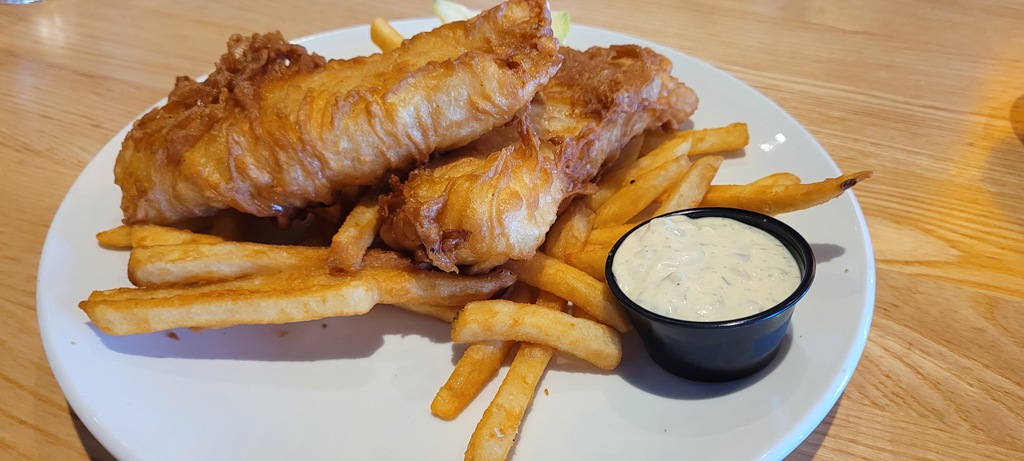
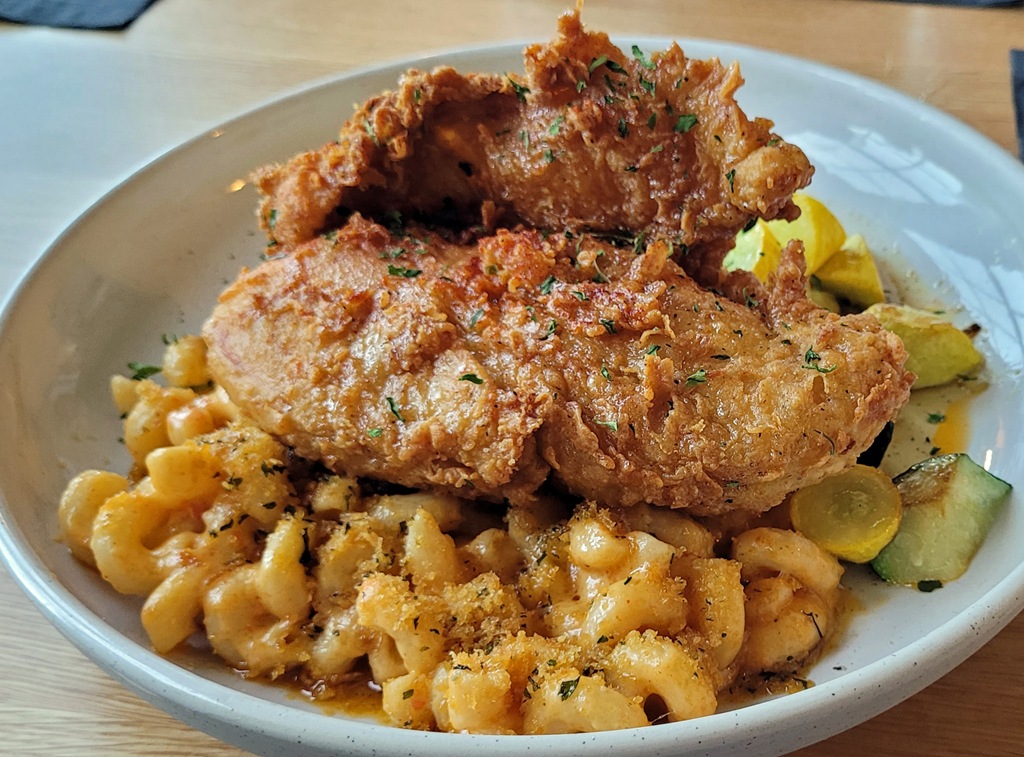
My wife had the Beer-Battered Icelandic Cod with fries and tartar sauce. She that it was the best fish of the trip.
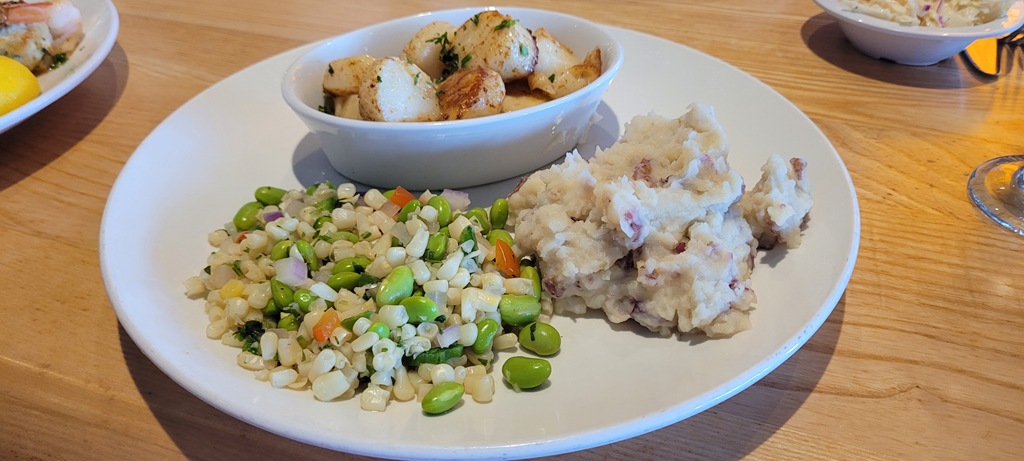
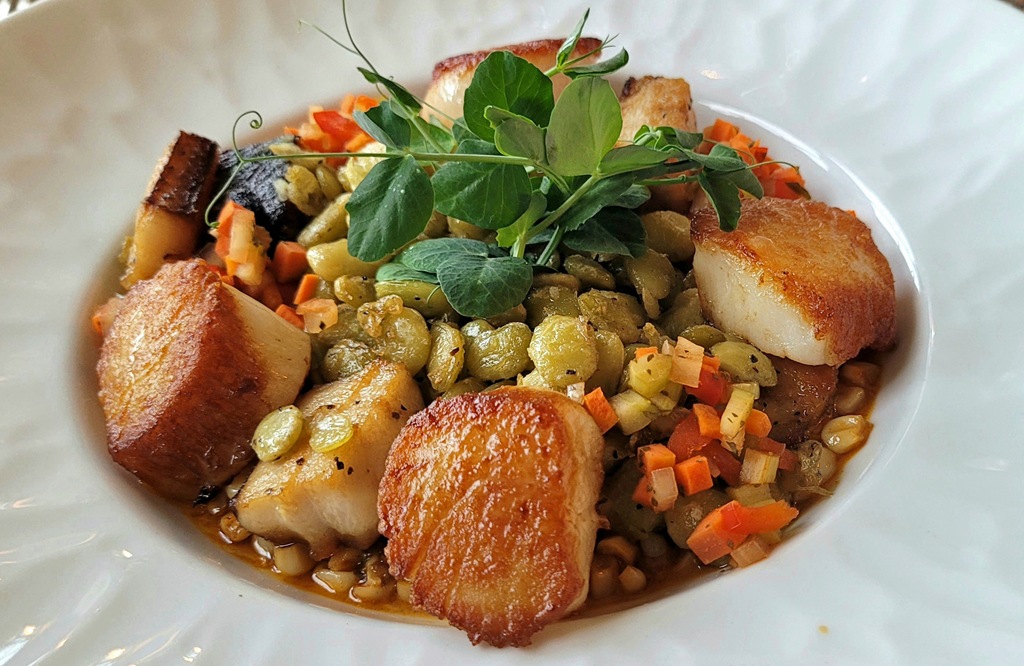
I love scallops. These were cooked perfectly. Seared but not really firm or rubbery. Swimming in garlic butter they are something special. The summer succotash was a nice treat. The mash potatoes were mashed potatoes.
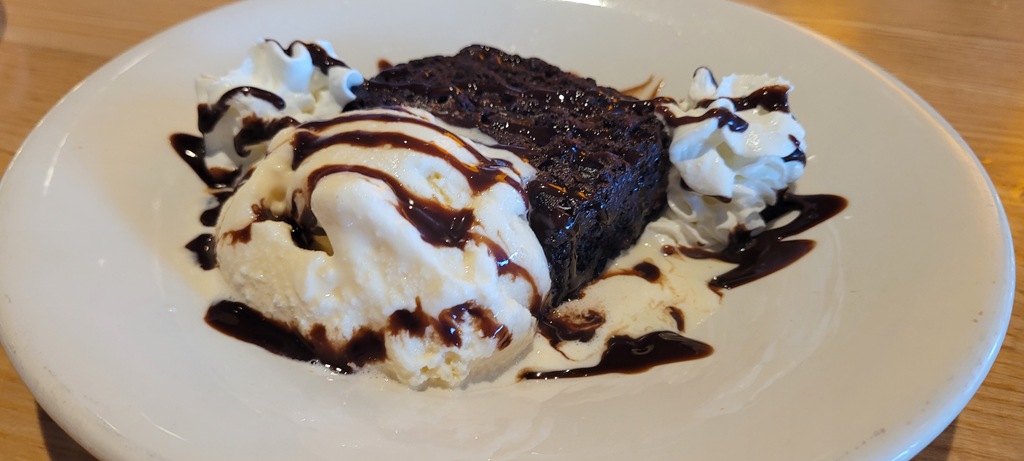
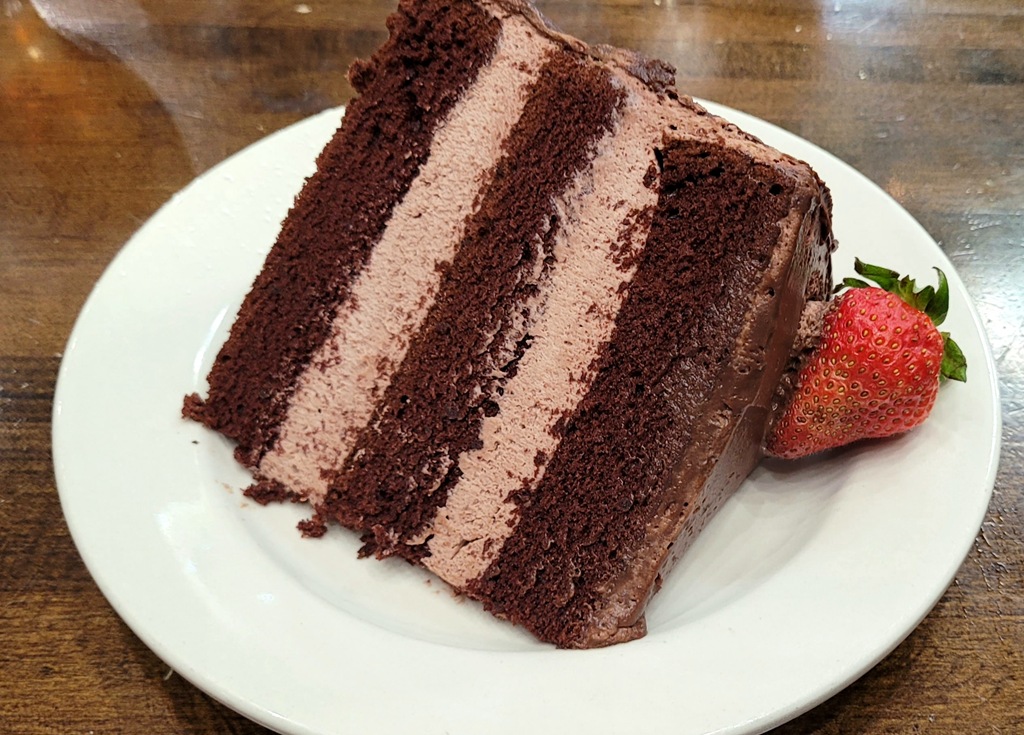
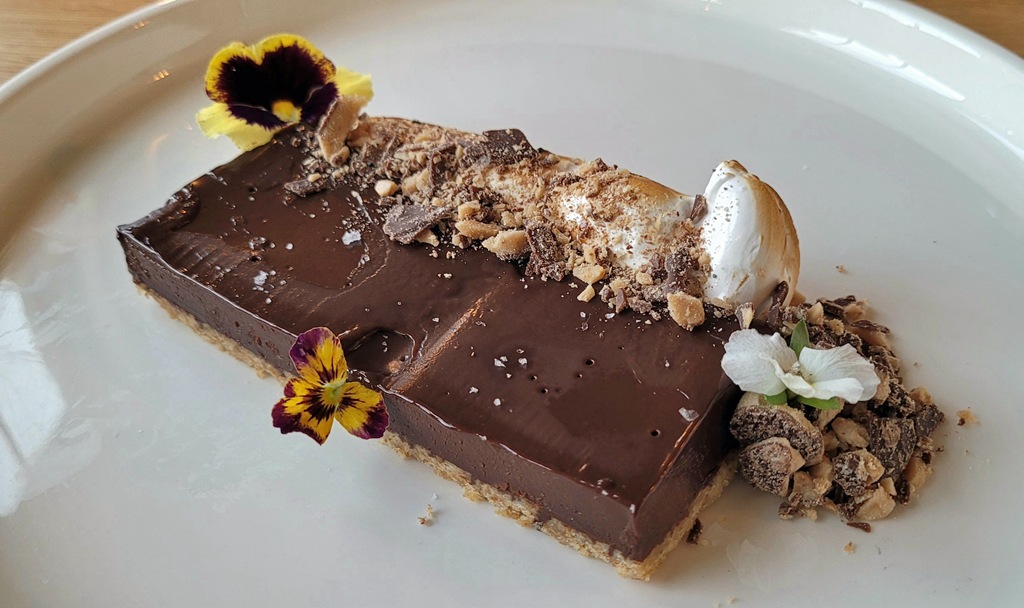
I can’t pass on anything chocolate for dessert. A nice brownie like cake with ice cream was a great way to end my meal.
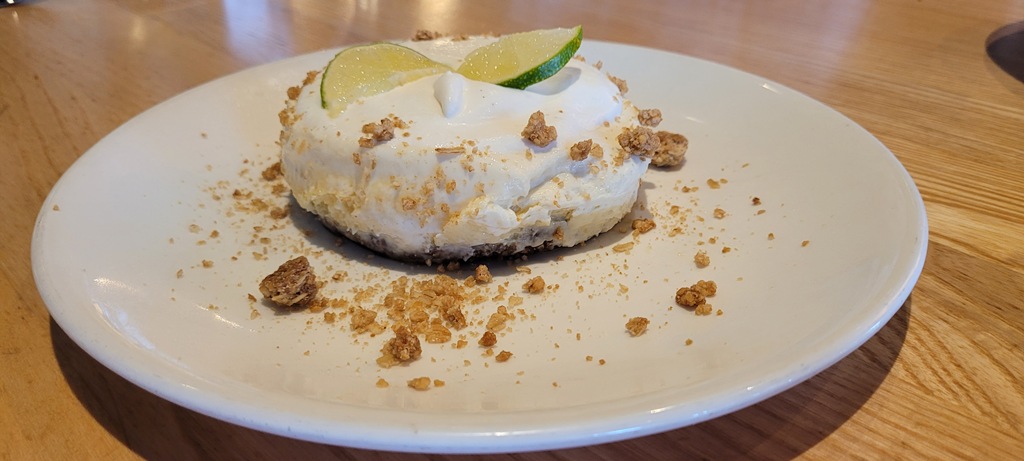
The Key Lime Pie stole the show.
It’s your grandma’s pie, the one waiting on the counter when you visited her in Alabama, Mississippi, or down on the Florida panhandle. It’s the pie you find at a small-town diner when you pull off a Southern highway for lunch. A slice lands at one table. Then another. Then another. Before you know it, the whole room is eating Key Lime Pie. This one’s like that.
We eat early when we are at the beach so I can’t tell you about the noise level when the place is full. The wait staff was wonderful and we were seated right away when we rolled in around 5 pm.
I’m glad we gave Mahi’s another try. I’m looking forward to our week at the beach next year. I know where to get some amazing scallops and pie.